Mara Beck · 6 October 2026
British Aristocrats Turn to Blockchain for Verifying Family Heirlooms and Artifacts
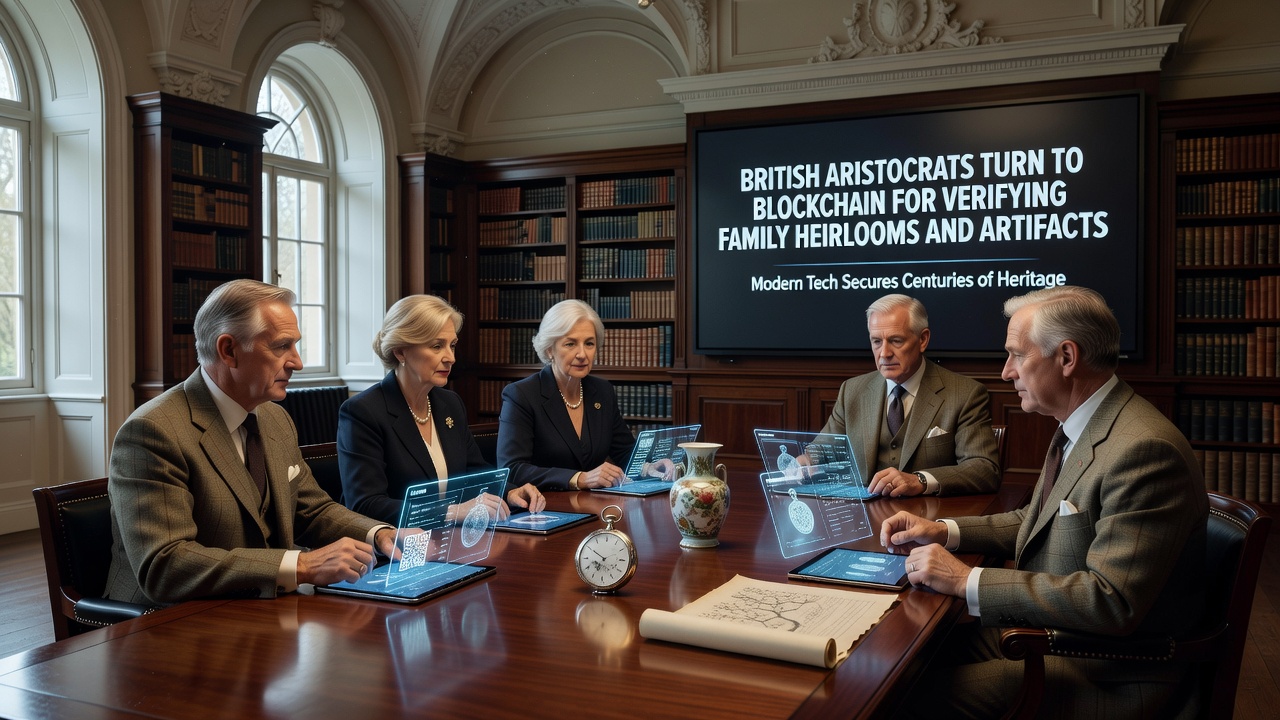
Family estates across Britain have begun integrating blockchain platforms to record ownership histories and provenance details for paintings, silverware, and other inherited items, with several ducal houses adopting distributed ledger systems in the past two years. These records create immutable chains of custody that link current holders to previous generations through timestamped entries and cryptographic hashes, which reduces reliance on paper documents that can fade or get lost over decades.
Mechanics of Blockchain Application in Aristocratic Collections
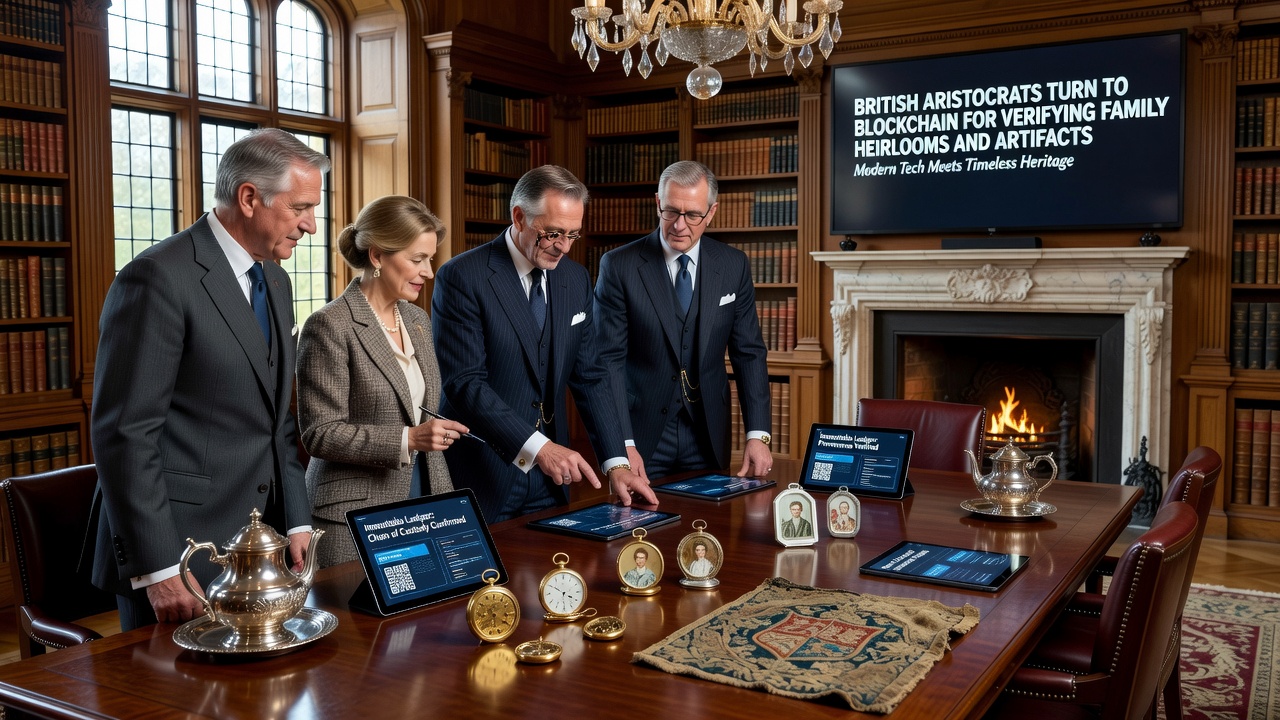
Specialized software converts physical descriptions and photographs of artifacts into digital tokens that sit on permissioned networks, where estate managers and appointed historians add new data only after multi-party verification. Each entry includes details such as creation date, artist or maker, previous sales, and restoration work, while smart contracts automatically flag any attempt to alter earlier records. Observers note that this setup mirrors traditional estate ledgers yet offers greater resistance to tampering because copies of the ledger exist across multiple nodes rather than in a single archive.
Documented Implementations Among Peerage Families
One ducal household in Northumberland started tokenizing its collection of 18th-century portraits in 2024 after discovering discrepancies in handwritten inventories from the 1920s. The project recorded over 400 items within eighteen months, allowing remote access for insurance assessors without transporting fragile canvases. Another family in the Cotswolds applied similar technology to a set of Georgian silver that had passed through five generations, embedding certificates of authenticity directly into the blockchain so future heirs could verify origins without repeated expert appraisals. Researchers from the University of Edinburgh documented these cases in a 2025 report that tracked transaction volumes on the networks and found average verification times dropped from weeks to hours once initial digitization was complete.
Integration With Existing Heritage Standards
Estate teams combine blockchain entries with established cataloging systems used by the National Trust and Historic England, exporting metadata in formats that align with international cultural property conventions. This hybrid approach lets families maintain compliance with export regulations while adding an extra layer of digital security. Data from pilot programs indicate that items registered on these ledgers receive faster clearance at customs checkpoints in the European Union and North America because officials can query the public verification keys directly. A Canadian government heritage report released in early 2026 highlighted comparable benefits for private collections in Quebec, where blockchain timestamps helped resolve a disputed 19th-century painting that crossed borders multiple times.
October 2026 Developments and Industry Momentum
As October 2026 approaches, several British estates plan to participate in a cross-border pilot organized by the European Blockchain Partnership, which will test interoperability between UK-based ledgers and continental systems for art loans and exhibitions. The initiative builds on earlier trials conducted in Australia, where state museums linked indigenous artifacts to blockchain records to prevent illicit sales. Industry groups such as the Art Loss Register have begun accepting blockchain certificates as supplementary evidence in theft investigations, although they still require physical examination for final confirmation. Figures from a recent academic paper issued by Stanford University show that global art-market participants who adopted distributed ledgers reported a 30 percent reduction in disputed provenance claims between 2023 and 2025.
Security Measures and Access Controls
Access to full records remains restricted to designated family members and their legal representatives through private keys stored in hardware wallets kept in estate vaults. Public-facing portals display only redacted summaries that omit current valuations and storage locations, satisfying privacy concerns while still allowing potential buyers or lenders to confirm legitimacy. Cybersecurity firms contracted by several houses conduct quarterly audits that scan for vulnerabilities in the smart-contract code, and results are shared with participating families through encrypted summaries. Those audits have so far identified only minor configuration issues that were corrected before any data exposure occurred.
Conclusion
British aristocratic families continue to expand their use of blockchain for artifact verification as more estates complete digitization projects and share technical standards. The combination of immutable records, regulatory alignment, and cross-border pilots positions these systems to handle larger collections in the coming years, while October 2026 events will test scalability across jurisdictions. Continued collaboration between technologists, historians, and estate managers supplies the data needed to refine protocols and maintain accurate lineage documentation for future generations.